// GAME DESIGN
-
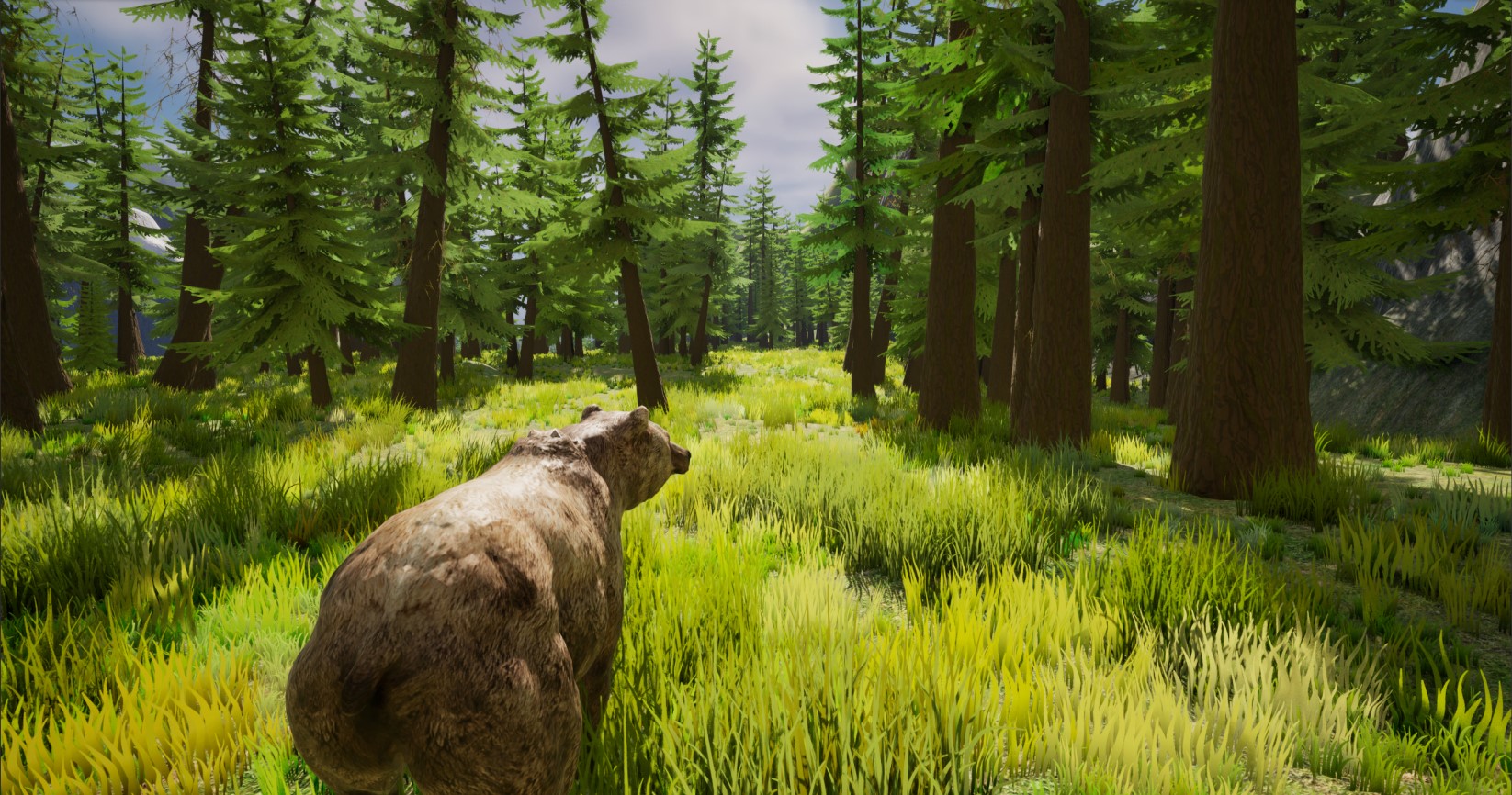
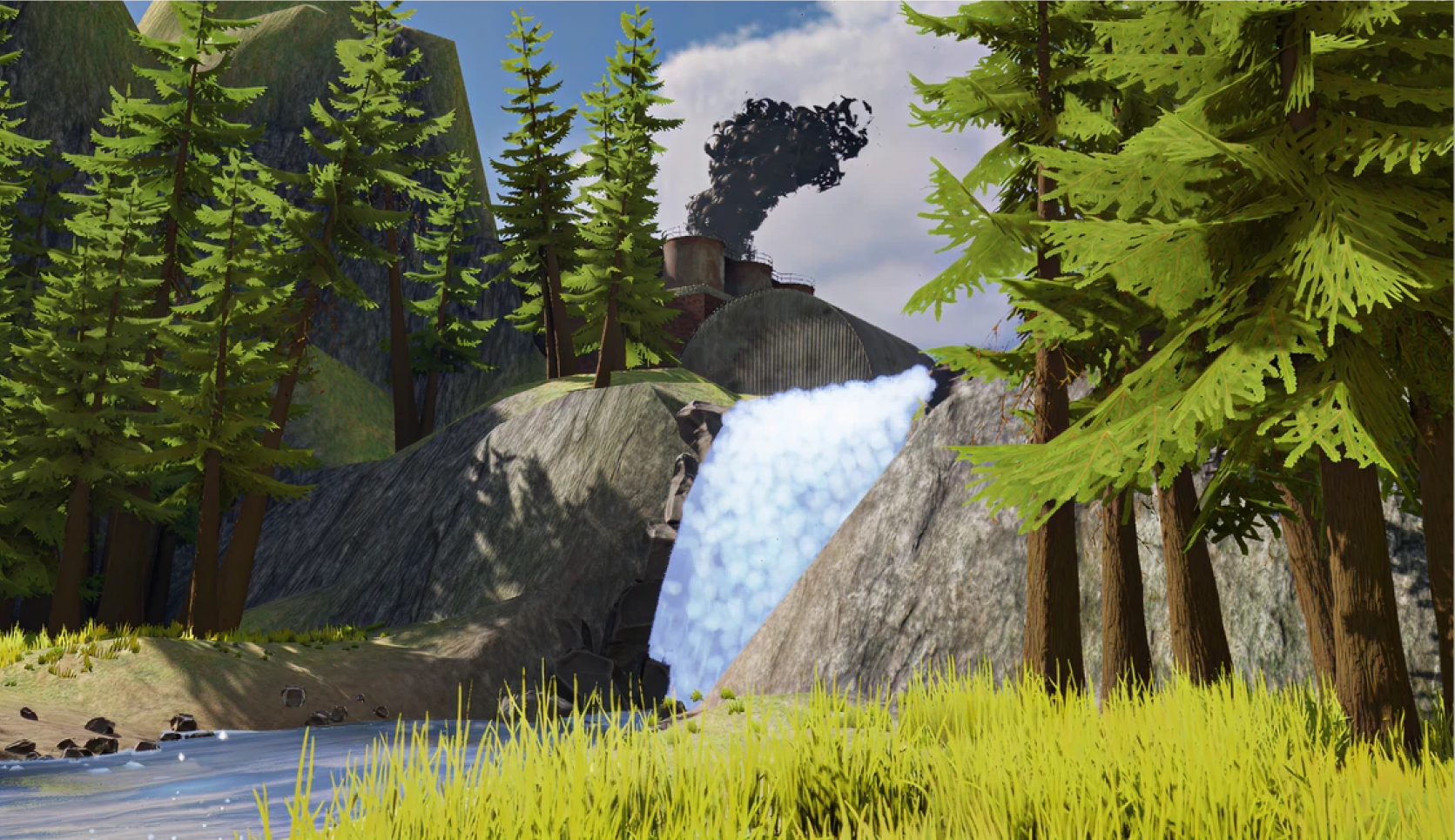
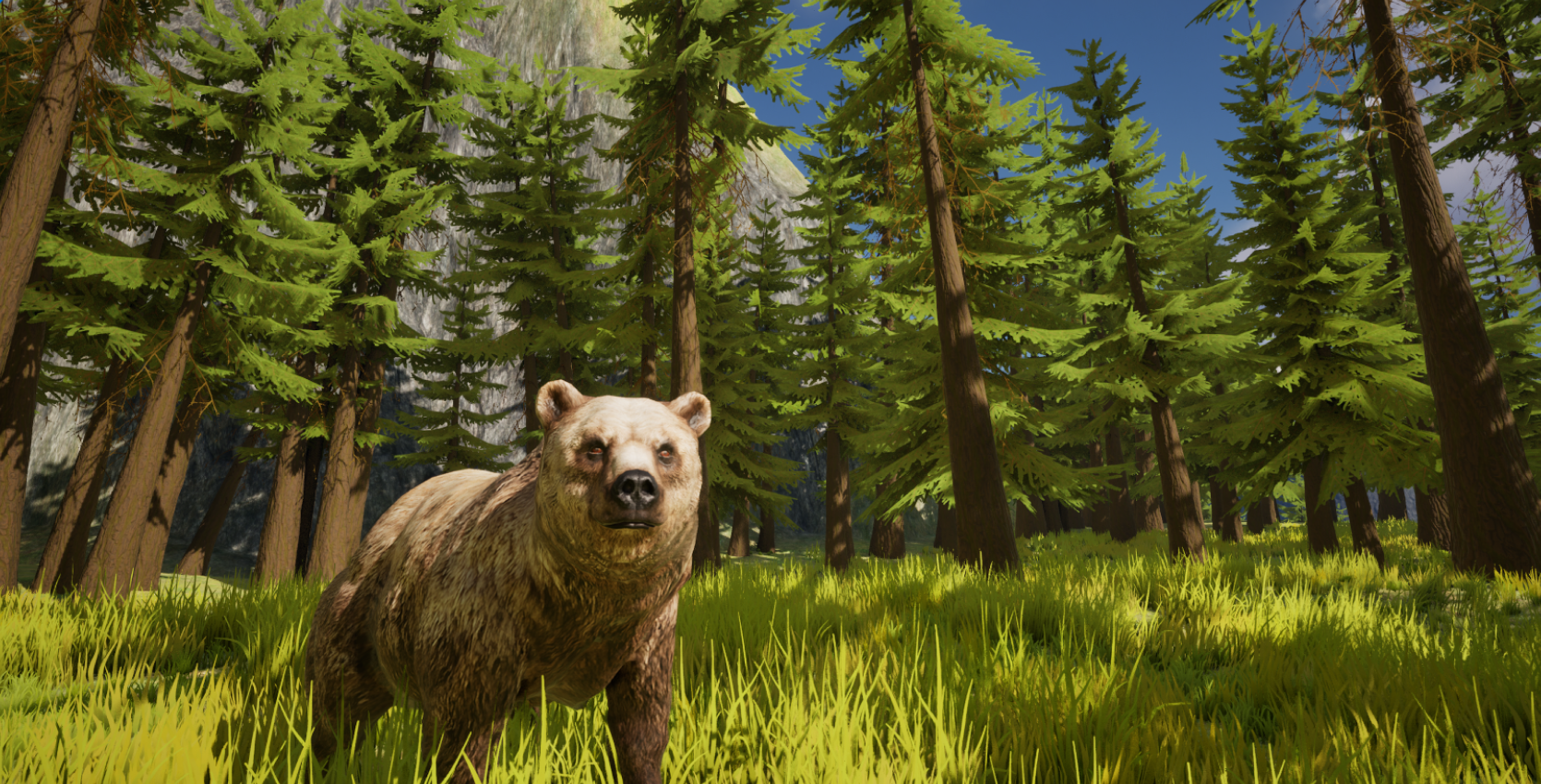
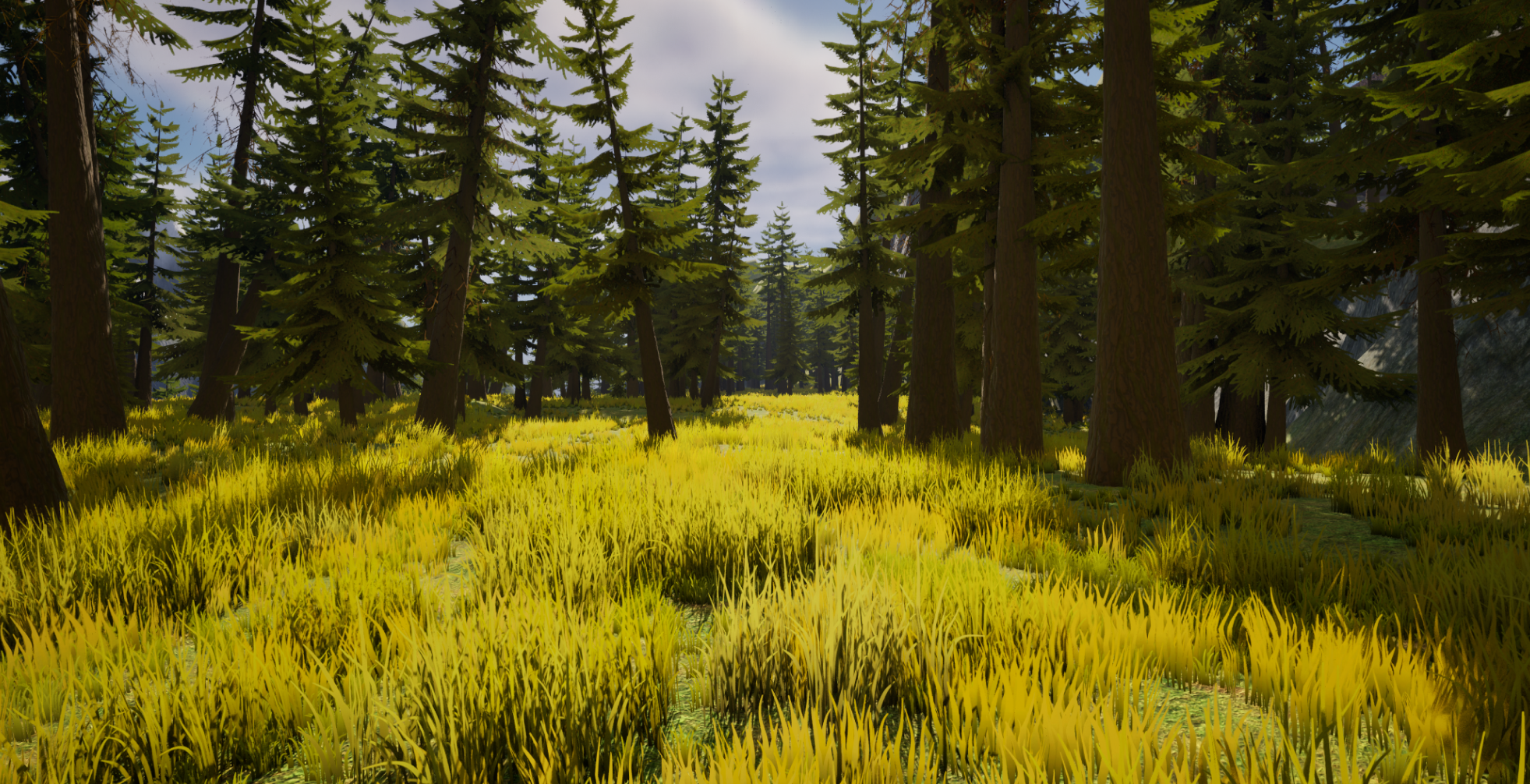
Immersive nature experience where you view the effects of water pollution through the eyes of a bear.
// DESCRIPTION
An immersive and interactive experience that explores water pollution from the perspective of a bear. As the player visits a river to feed, they move through the environment and observe the surrounding landscape.
// WHAT I LEARNED
Learning Unreal Engine's Niagara systems, material blueprints, and foliage tools made the process genuinely exciting. The real lesson was time management. Too much early polish meant less time to iterate and push the design further. Even so, the final result landed close to the original vision, and it only made me want to keep going. Better animations, richer audio, and a whole lot more to explore.
// TOOLS USED
- Unreal Engine 5
- Blender
// VIEW PROJECT
View on itch.io -
Creating player agency and immersive storytelling within Figma.
// DESCRIPTION
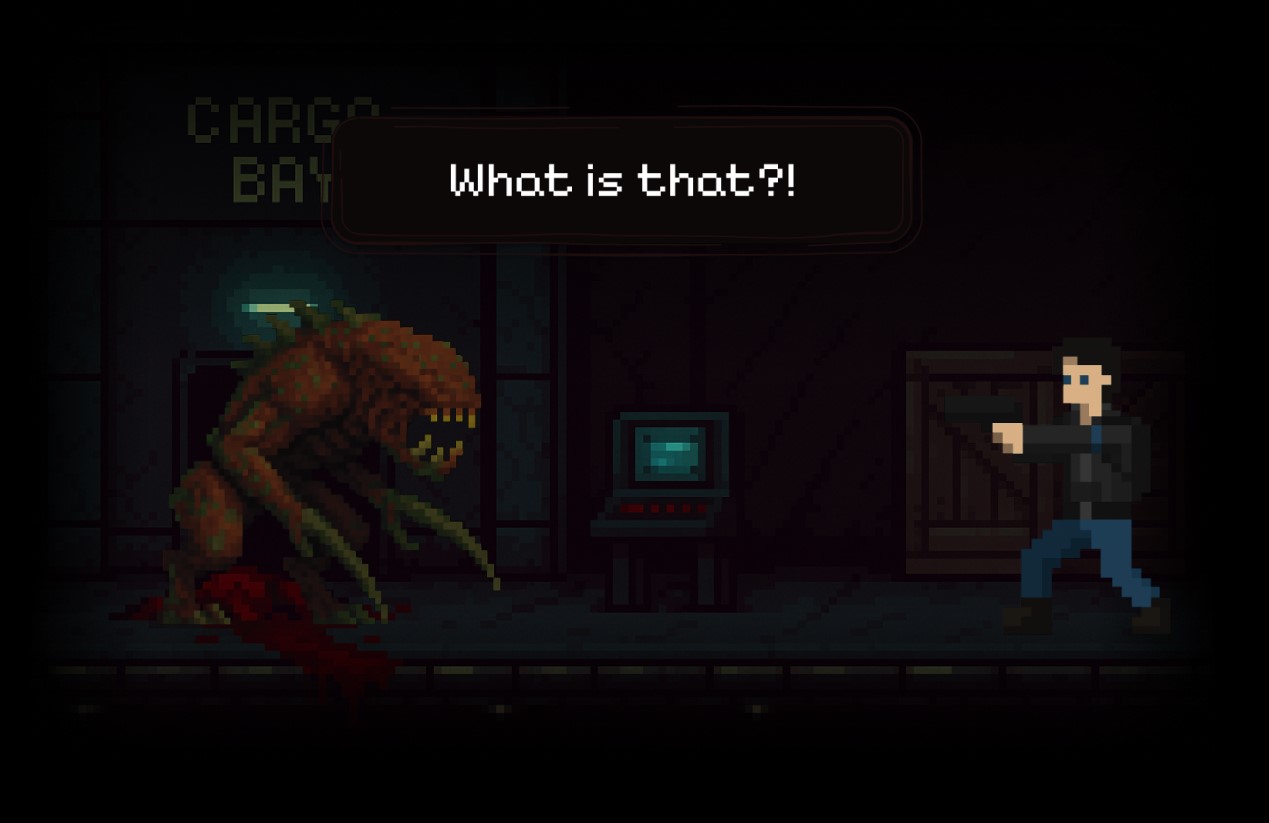
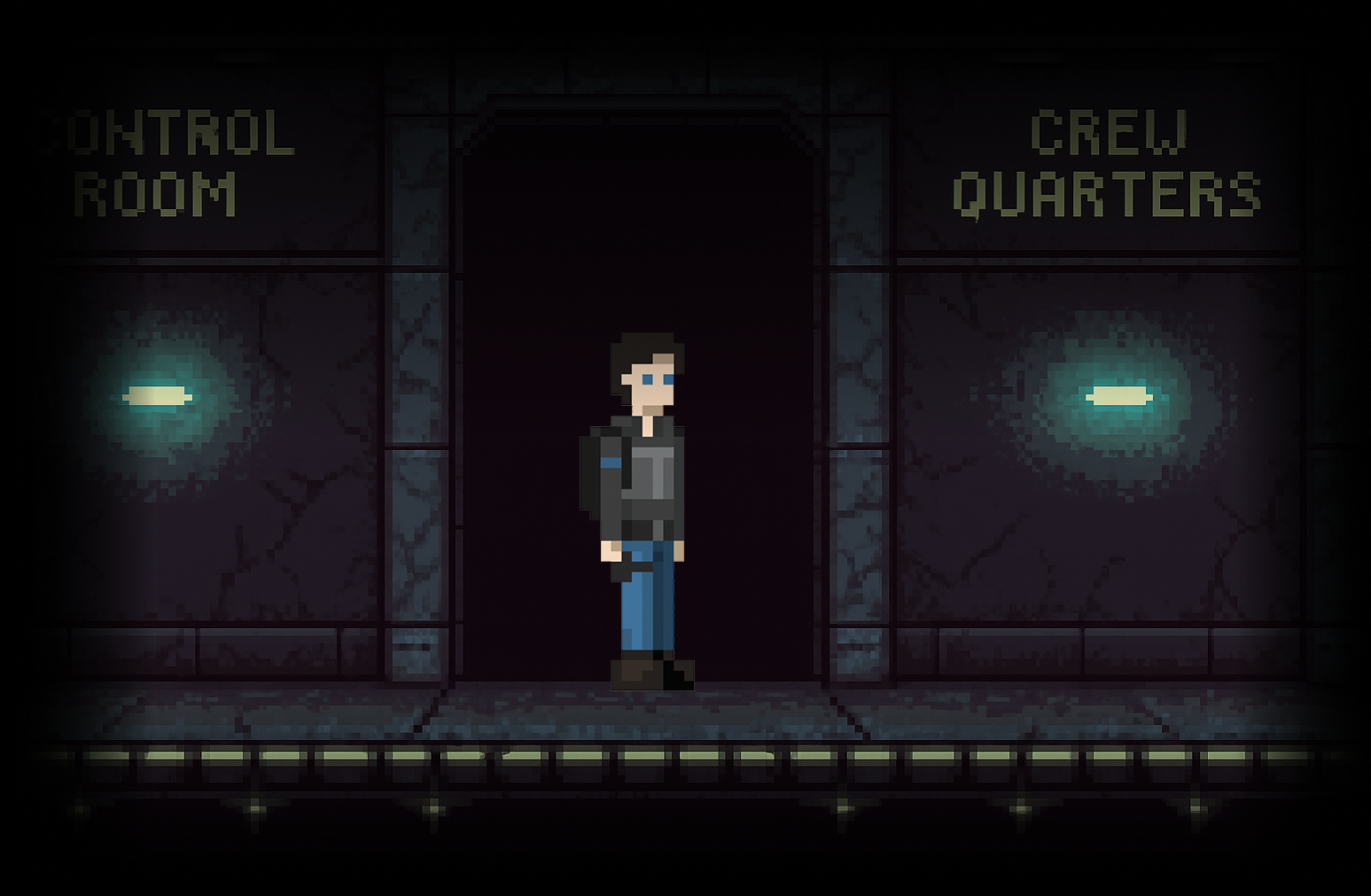
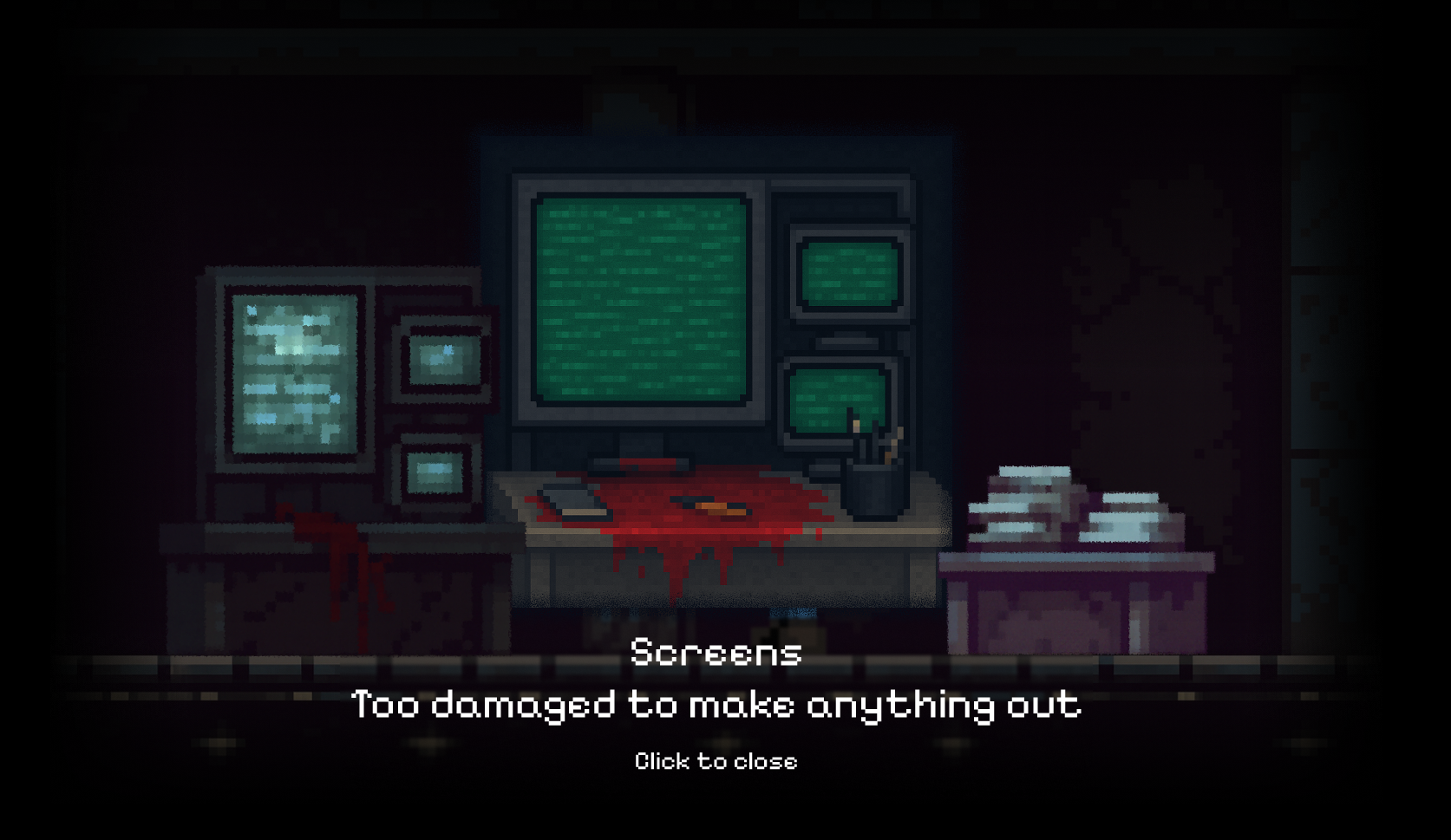
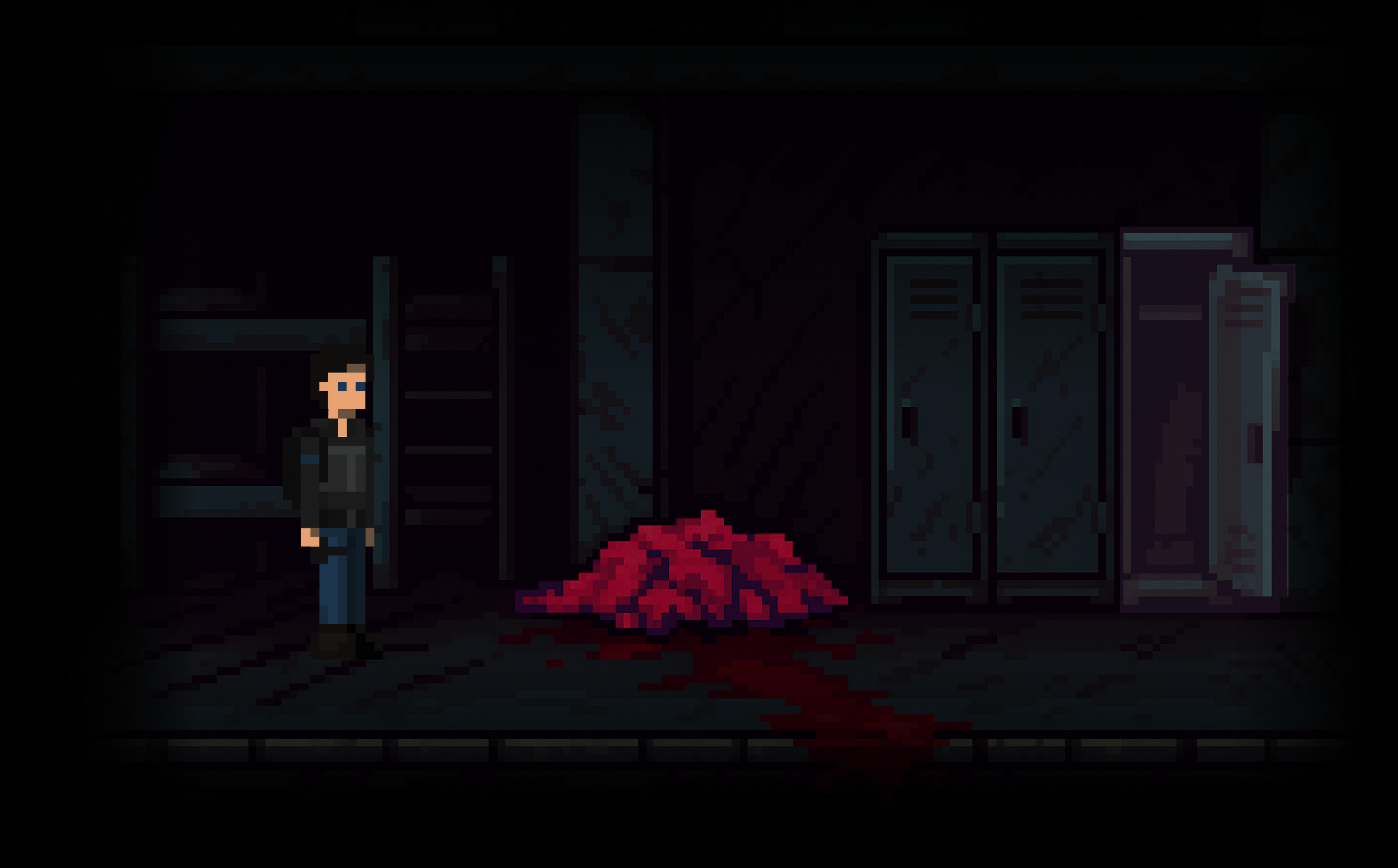
The story follows a man investigating a space station that has stopped responding to communications. As the player explores the station, they uncover clues and make branching choices that alter the direction and outcome of the story.
// WHAT I LEARNED
Taking shortcuts early compounds into bigger problems later. I assumed my existing Figma knowledge was enough, and when I hit its limits I patched problems with workarounds instead of learning the right systems. The result felt glitchy and unreliable. Next time I'd invest upfront in understanding Figma's advanced prototyping tools before building. Despite the technical shortcomings, thinking through player agency and branching narrative structure was the most valuable part of the experience.
// TOOLS USED
- Figma
- ChatGPT
// VIEW PROJECT
View Prototype ⚠ NOT CURRENTLY FUNCTIONING -
A story you can only watch and wish about.
// DESCRIPTION
A short interactive text game based on Rubber (2010, dir. Quentin Dupieux). You play as a member of the audience standing in the desert, watching the tire through binoculars, and the only thing you are ever asked is what you want to happen next. What interested me most about the film was that Dupieux puts an audience inside it, so I told the game from inside that crowd rather than from the tire. The player isn't the protagonist. They are a hundred yards from a story they can only watch and wish about, and each decision is less likely to come true than the last. Every image is a still from the film, passed through a filter in-engine.
// WHAT I LEARNED
The original scope had many more decisions, each less likely to land than the one before, until none of them came true. Time ran out and the escalation happens across three instead. Scoping to what I could actually finish would have let the idea hit harder. If I continued this, sound would come first. Rubber's score does a lot of work building atmosphere and the game feels quiet without it.
// TOOLS USED
- Godot
- Claude
// VIEW PROJECT
View on itch.io -
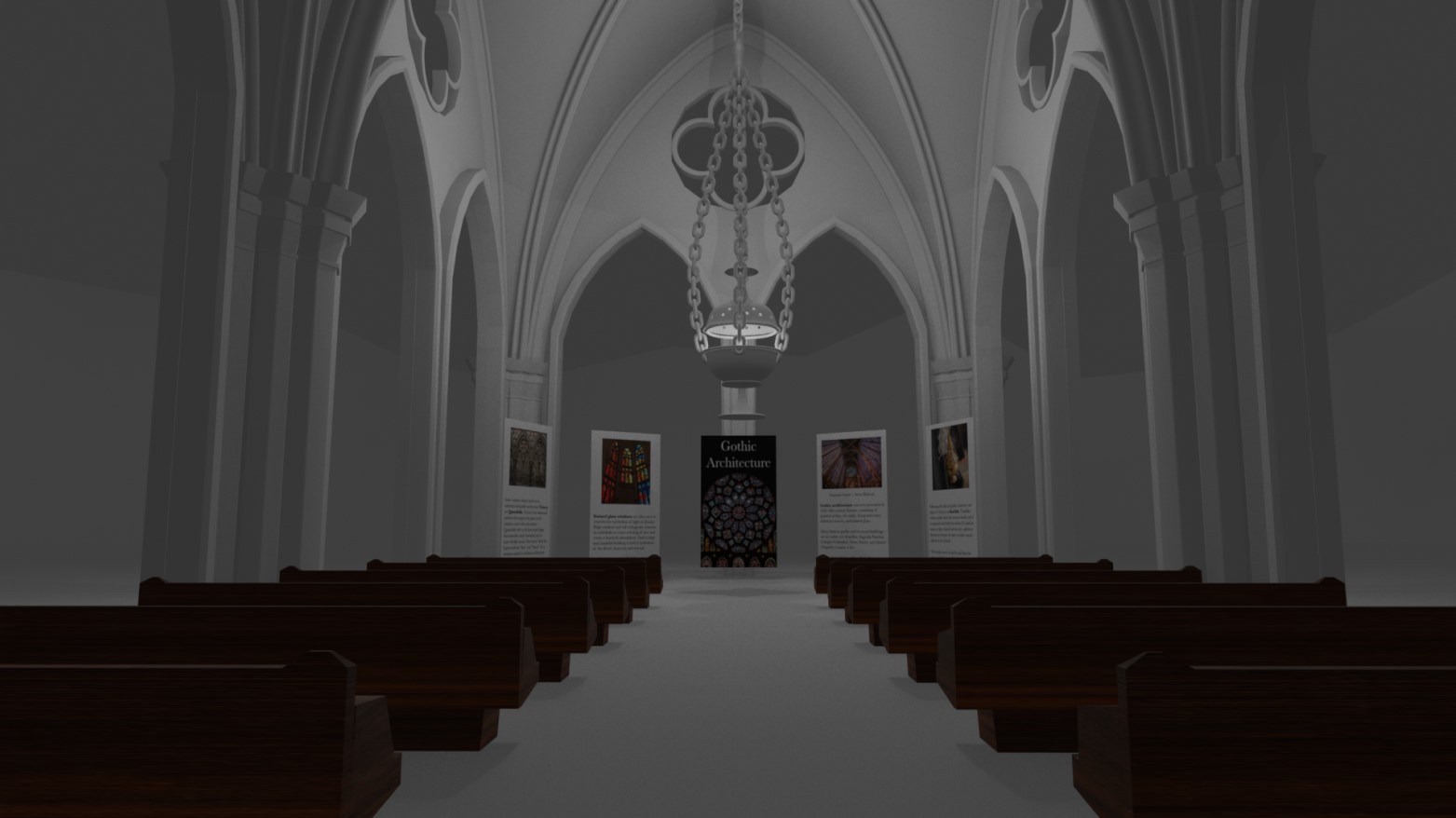
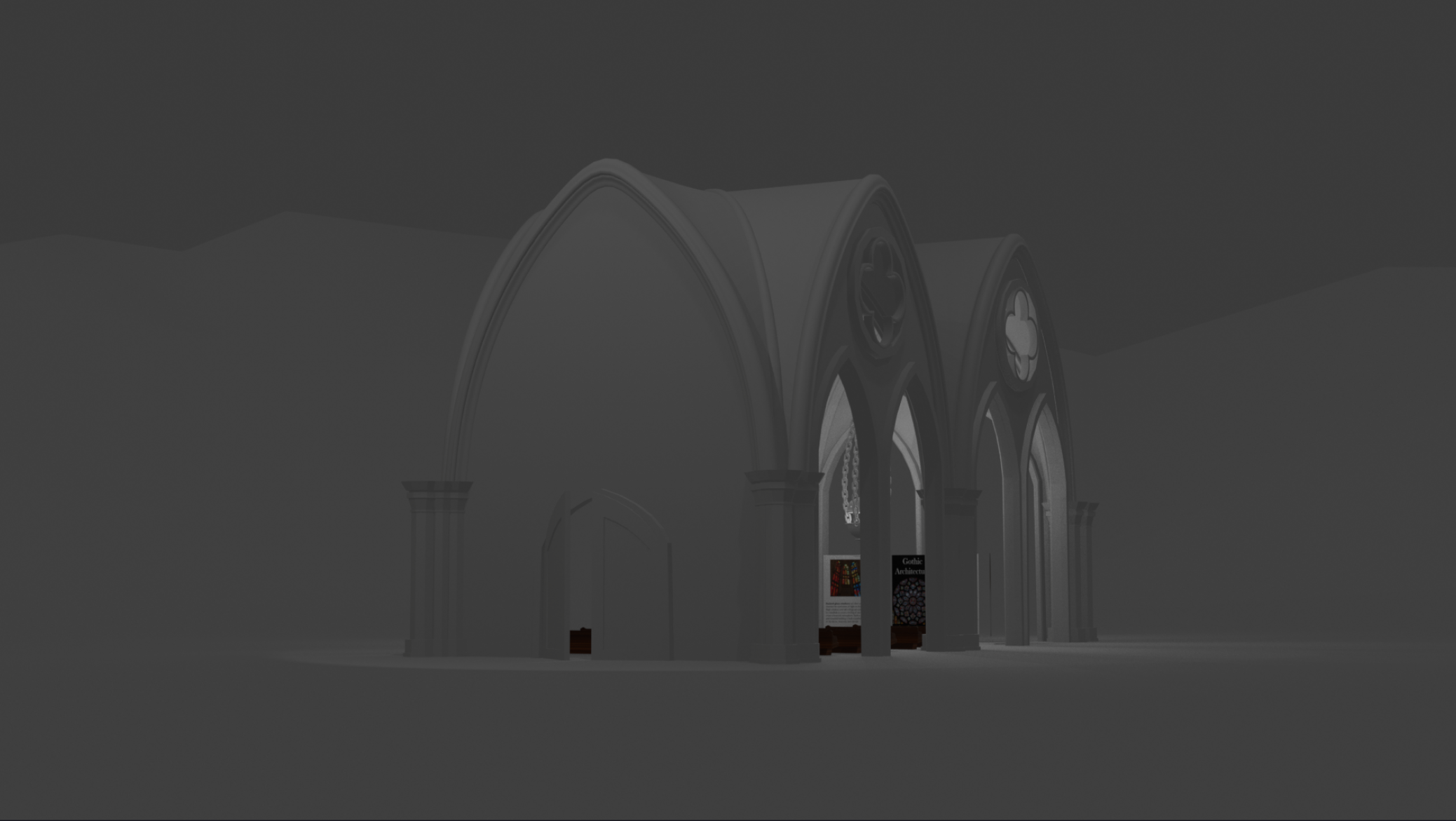
Translating Gothic architecture into an immersive 3D spatial experience.
// DESCRIPTION
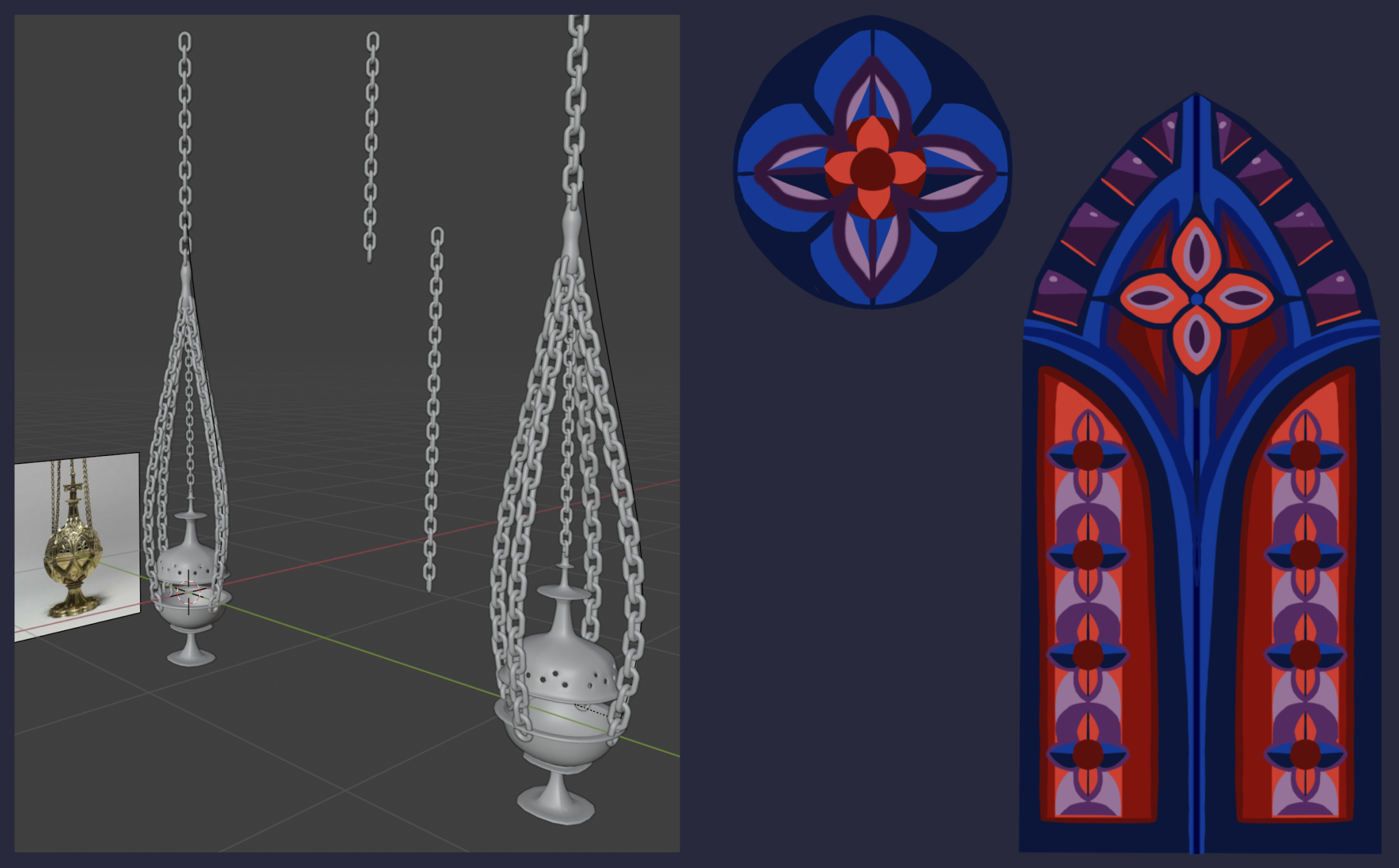
Co-Creator: Aven Skolrud. This project explored how the symbolic and emotional qualities of Gothic cathedral architecture can be translated into a virtual environment. With a partner, I designed a 3D chapel space with pews and a large swinging thurible positioned at the center of the structure. The environment was experienced through VR, allowing users to move through the space and engage with the spatial elements.
// WHAT I LEARNED
Working in Blender on a topic I genuinely cared about made a noticeable difference in my focus and attention to detail. Combining 3D modeling with A-Frame and Glitch to build a VR environment for free was a highlight. A-Frame was completely new to me, but strong documentation and prior HTML experience made the learning curve manageable. Texturing and colour proved challenging, so I focused on 3D modeling and coding while my co-creator Aven handled the windows and finishing details. Overall this is one of the projects I'm most proud of, and it showed me how much I'd grown across previous projects.
// TOOLS USED
- Blender
- A-Frame
- Glitch
// VIEW PROJECT
NO LONGER AVAILABLE -
// INTERFACE DESIGN
-
Using gamification to help university students commit to showing up.
// DESCRIPTION
An app for university students that uses gamification to lower the barrier to attending campus events. Research showed that students already know about events and choose not to go, most often because they would be showing up alone. Move addresses hesitation rather than awareness, using time-based challenges, visible attendee lists, and club progression systems to make committing feel lower-stakes.
// WHAT I LEARNED
[TO BE ADDED]
// TOOLS USED
- Figma
- Figma Make
- ChatGPT
// VIEW PROJECT
-
A mobile-first redesign for a ceramics studio, built in a four-person team.
// DESCRIPTION
A design jam working with a real client, OutForm Ceramics Studio, across the length of the jam. New visitors struggled to tell class types apart and navigate the booking process. Our team of four restructured the class sitemap, simplified navigation, and designed a mobile-first booking flow that clarifies what each class involves before a user commits.
// WHAT I LEARNED
[TO BE ADDED]
// TOOLS USED
- Figma
- ChatGPT
// VIEW PROJECT
-